
Choosing Between Tank and Tankless Water Heaters: Which Is Right for You?
December 25, 2025
Selecting the right water heater for your home or business is more than a simple appliance choice; it is a critical decision that impacts comfort, energy efficiency, and long-term costs. With evolving technologies, homeowners and facility managers face the choice between traditional tank water heaters and modern tankless systems. Understanding the distinctions between these two options is essential to ensure reliable hot water, cost-effectiveness, and longevity for your plumbing infrastructure. Making an informed choice can prevent future frustrations, such as unexpected repairs, energy inefficiencies, or inadequate water supply during peak usage.
The debate between tank and tankless water heaters has gained significant attention in the plumbing and HVAC industry due to advancements in energy-efficient technologies and growing consumer interest in sustainable solutions. Each system has unique characteristics, installation requirements, and operational benefits that can influence performance and savings. This blog will explore the critical factors to consider, including cost, energy efficiency, space requirements, maintenance, and environmental impact. By examining real-world scenarios, expert insights, and best practices, this guide aims to empower property owners to make an educated decision that aligns with their specific needs, household size, and lifestyle demands.
Tank Water Heaters: Tried and True Reliability
Understanding Tank Water Heaters
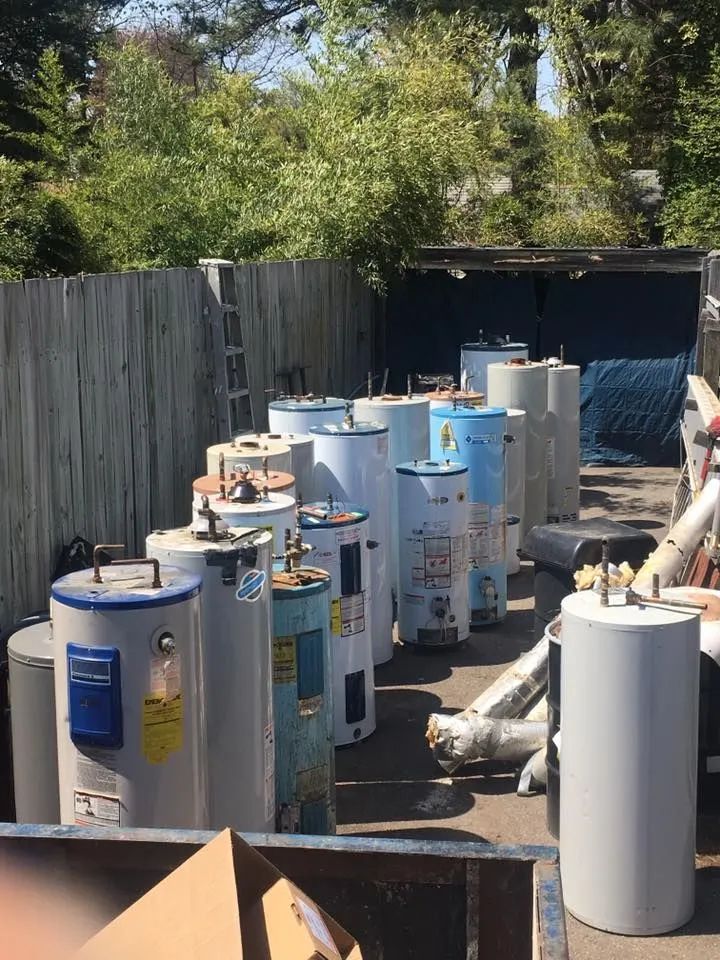
Tank water heaters, also known as storage water heaters, have been the standard for decades. These units store a predetermined amount of hot water, typically ranging from 30 to 80 gallons, and maintain it at a consistent temperature for immediate use. The system relies on a heated tank that constantly warms water, ensuring that hot water is available on demand, albeit limited by the tank's capacity.
Benefits of Tank Water Heaters
One of the primary advantages of a tank water heater is its reliability and simplicity. These units are relatively easy to install and maintain, making them ideal for homeowners seeking a dependable and straightforward solution. Tank water heaters also provide a buffer of hot water, which can be beneficial for households with simultaneous high-demand activities, such as running multiple showers, washing machines, and dishwashers concurrently.
Cost-effectiveness is another factor in favor of tank water heaters. The upfront purchase price is generally lower than that of tankless systems, making them accessible to a wider range of budgets. Additionally, replacement parts and repair services are widely available, minimizing downtime and simplifying maintenance.
Challenges of Tank Water Heaters
Despite their advantages, tank water heaters have notable drawbacks. They consume energy continuously to maintain water temperature, even when not in use, resulting in standby heat loss. This inefficiency can lead to higher energy bills over time. Furthermore, tank water heaters are bulky, requiring significant space, and their lifespan typically ranges from 8 to 12 years, which may be shorter than tankless alternatives.
Another potential challenge is limited capacity. During peak usage, households may experience a depletion of hot water, necessitating waiting periods for the tank to refill and reheat. For larger families or properties with high hot water demand, this limitation can be a significant consideration.
Tankless Water Heaters: Efficiency Meets Innovation
How Tankless Systems Work
Tankless water heaters, also known as on-demand water heaters, provide hot water only when needed. Instead of storing water, these units heat cold water instantly as it passes through the system. Advanced sensors and powerful heating elements ensure immediate temperature regulation, eliminating standby energy losses associated with traditional tank systems.
Advantages of Tankless Water Heaters
The primary benefit of tankless water heaters is energy efficiency. Because water is heated only on demand, these systems consume significantly less energy, reducing utility costs and environmental impact. Many homeowners report energy savings of 20–30% compared to conventional tank heaters, particularly in households with moderate water usage.
Tankless units are also compact and versatile. Their smaller size allows for flexible installation in tight spaces, such as closets, utility rooms, or even outdoors in some cases. This space-saving feature is especially beneficial for urban homes or properties with limited mechanical room capacity.
Longevity is another advantage. Tankless water heaters often last 15–20 years or more, surpassing the typical lifespan of tank units. High-quality systems paired with regular maintenance can provide decades of reliable service, making them a long-term investment.
Potential Drawbacks
While tankless water heaters offer numerous benefits, they are not without challenges. The initial installation cost is typically higher than traditional tank systems due to more complex plumbing and electrical or gas requirements. Homes with older infrastructure may require significant retrofitting to accommodate the system.
Another consideration is flow rate limitations. Tankless units can struggle to deliver simultaneous hot water to multiple outlets if undersized, potentially resulting in inconsistent temperatures during high-demand periods. Proper sizing and consultation with a professional are essential to avoid these issues.
Maintenance is also critical for tankless systems. Mineral buildup, particularly in areas with hard water, can impact performance and reduce efficiency. Regular descaling and professional inspections are recommended to maintain optimal operation.
Cost Considerations: Short-Term vs. Long-Term Investment
Upfront Costs
When evaluating tank versus tankless water heaters, initial expenses are a key factor. Tank water heaters generally have lower purchase prices and simpler installation, which makes them attractive for budget-conscious homeowners. On average, residential tank water heaters cost between $500 and $1,500, including installation.
Tankless water heaters, by contrast, can range from $1,000 to $3,000 or more, depending on system capacity, fuel type, and brand. Installation often involves upgrading gas lines, electrical systems, or venting, which can add several hundred to a few thousand dollars to the total cost. Despite the higher upfront investment, tankless systems offer long-term savings through energy efficiency and extended lifespan.
Operational Costs
Operational costs are another critical consideration. Tank systems continuously heat stored water, resulting in higher energy consumption, particularly in households with inconsistent hot water usage. Over the lifespan of a tank water heater, energy expenditures can surpass those of a tankless system, reducing overall cost-effectiveness.
Tankless units, which heat water only when needed, provide immediate savings on utility bills. According to the U.S. Department of Energy, tankless water heaters can reduce water heating costs by 24–34% for homes using 41 gallons or less per day. These savings accumulate over time, helping offset the higher installation cost.
Long-Term Value
The long-term value of each system depends on household size, water usage patterns, and energy rates. Tankless systems often provide a higher return on investment for households with moderate to high water usage and an interest in energy-efficient solutions. Conversely, tank water heaters may be more practical for smaller households or properties with limited budget flexibility, where upfront cost outweighs potential long-term savings.
Space and Installation Requirements
Footprint and Location Flexibility
Space considerations are a significant factor in choosing between tank and tankless water heaters. Tank water heaters require substantial space for the storage tank, typically 30–80 gallons, along with clearance for maintenance and ventilation. Homes with small utility rooms or limited basement access may find these requirements restrictive.
Tankless water heaters are compact and can be wall-mounted or installed in unconventional spaces, making them ideal for urban homes, apartments, or renovations with limited space. Their smaller footprint allows for easier integration into existing structures without compromising accessibility or aesthetics.
Installation Complexity
Installation complexity also varies. Tank water heaters are generally straightforward to install, with standard plumbing connections and venting systems. Most plumbing professionals can complete installation within a day, minimizing labor costs and disruption.
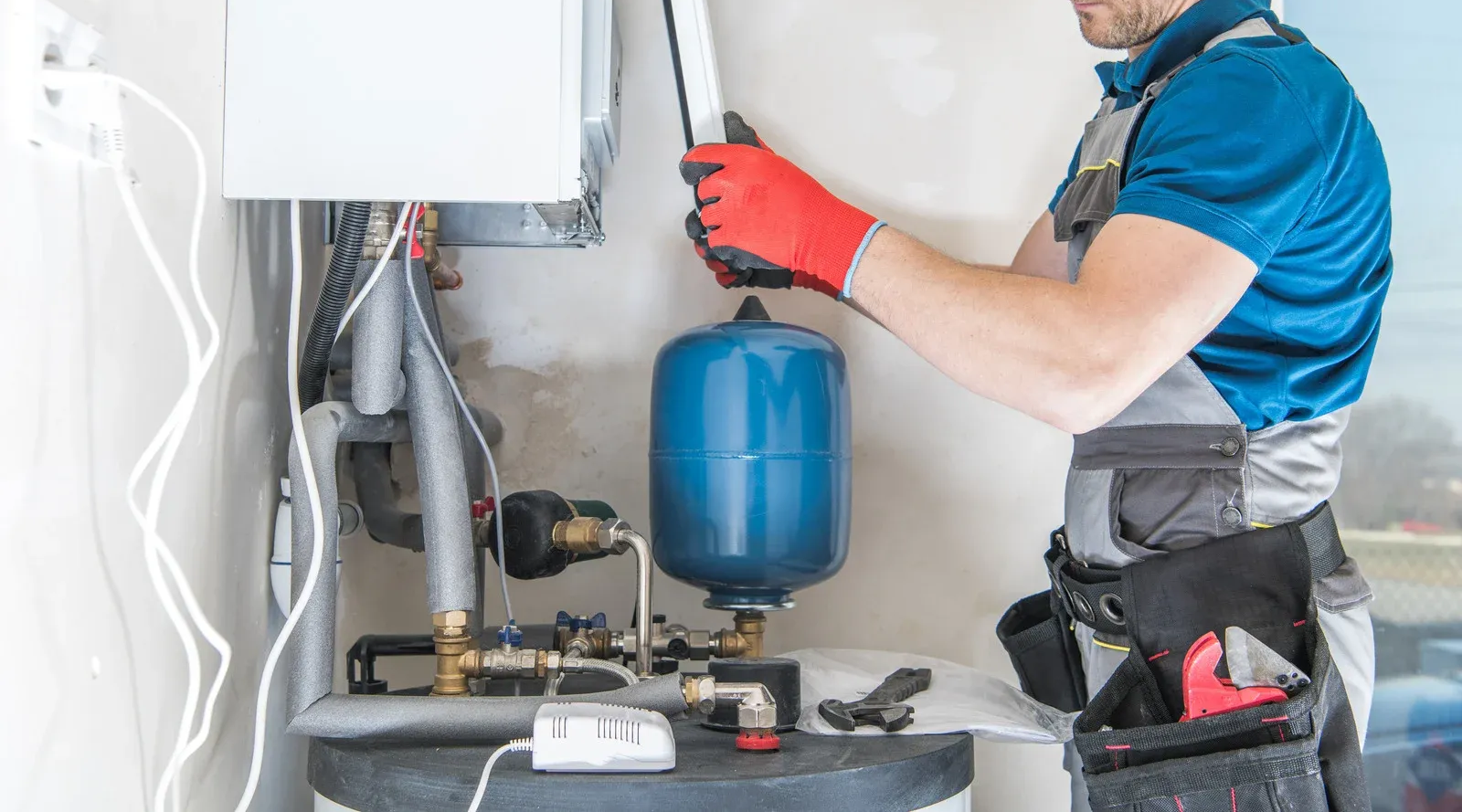
Tankless systems require specialized installation expertise. Gas-powered units may necessitate upgraded lines and venting, while electric models often require dedicated circuits. Improper installation can affect performance, safety, and warranty coverage. Engaging a licensed professional is essential to ensure proper system operation and compliance with building codes.
Maintenance and Longevity
Routine Maintenance Requirements
Regular maintenance is critical for both tank and tankless water heaters, but the approach differs. Tank water heaters benefit from periodic flushing to remove sediment, inspection of anode rods to prevent corrosion, and thermostat checks to maintain efficiency. Neglecting these tasks can lead to reduced lifespan and unexpected repairs.
Tankless water heaters require descaling and flushing, particularly in regions with hard water. Mineral buildup can impede heat transfer and reduce efficiency if left unaddressed. Most manufacturers recommend professional inspection annually or biennially, depending on water quality and usage patterns.
Expected Lifespan
Tank water heaters typically last 8–12 years, with high-quality models extending up to 15 years. Their lifespan is influenced by water quality, maintenance practices, and usage frequency. Replacement cycles are more frequent, which should be factored into long-term planning.
Tankless water heaters are designed for longevity, often exceeding 20 years with proper maintenance. Their extended lifespan, combined with energy efficiency, contributes to overall cost-effectiveness and sustainability, making them a compelling choice for long-term investment.
Experienced Professionals Helping With Smart Water Choices
Choosing between a tank and a tankless water heater involves careful consideration of multiple factors, including household size, energy efficiency, space requirements, installation complexity, and long-term costs. Tank water heaters offer reliable, cost-effective solutions with established installation practices, making them suitable for families seeking simplicity and steady hot water supply. Tankless systems, by contrast, provide on-demand heating, greater energy efficiency, compact design, and extended lifespan, appealing to environmentally conscious homeowners and those looking for long-term value. Understanding your household’s hot water needs, usage patterns, and budgetary considerations is essential to making the right choice.
At Keil Plumbing & Heating Inc., located in Richmond, Virginia, we bring over 100 years of combined expertise to guide homeowners through this decision. Our experienced team provides professional consultation, precise installation, and reliable maintenance for both tank and tankless water heaters. We pride ourselves on delivering tailored solutions, energy-efficient options, and exceptional customer service to ensure your home enjoys consistent, safe, and cost-effective hot water for years to come.