
Smart Leak Detection Tips to Prevent Water Damage at Home
January 23, 2026
Water damage is one of the most common and costly problems homeowners face. A single leak can escalate from a minor inconvenience to a major structural issue, damaging walls, floors, and personal belongings. Unfortunately, many leaks go unnoticed until significant damage has occurred, leading to expensive repairs and potential health hazards due to mold and mildew. With rising home insurance premiums and the increasing complexity of modern plumbing systems, proactive measures to detect and prevent leaks have become more critical than ever.
Fortunately, advancements in smart home technology now offer effective solutions for early leak detection, allowing homeowners to monitor their water systems in real-time. Smart leak detection devices can alert homeowners to anomalies, automate water shutoff, and even track water usage to identify inefficiencies. Implementing these technologies not only protects the structural integrity of your home but also promotes sustainable water usage. In this blog, we explore actionable tips, expert insights, and best practices for using smart leak detection tools effectively, helping you safeguard your home, reduce costs, and maintain peace of mind.
Understanding the Importance of Leak Detection
Why Early Leak Detection Matters
Early leak detection is crucial for preventing extensive water damage. Minor leaks in pipes, faucets, or appliances can escalate over time, weakening structural components and creating conditions for mold growth. The longer a leak goes unnoticed, the higher the risk of property damage and associated repair costs. According to industry studies, the average homeowner spends thousands of dollars repairing water-related damage, emphasizing the value of timely detection.
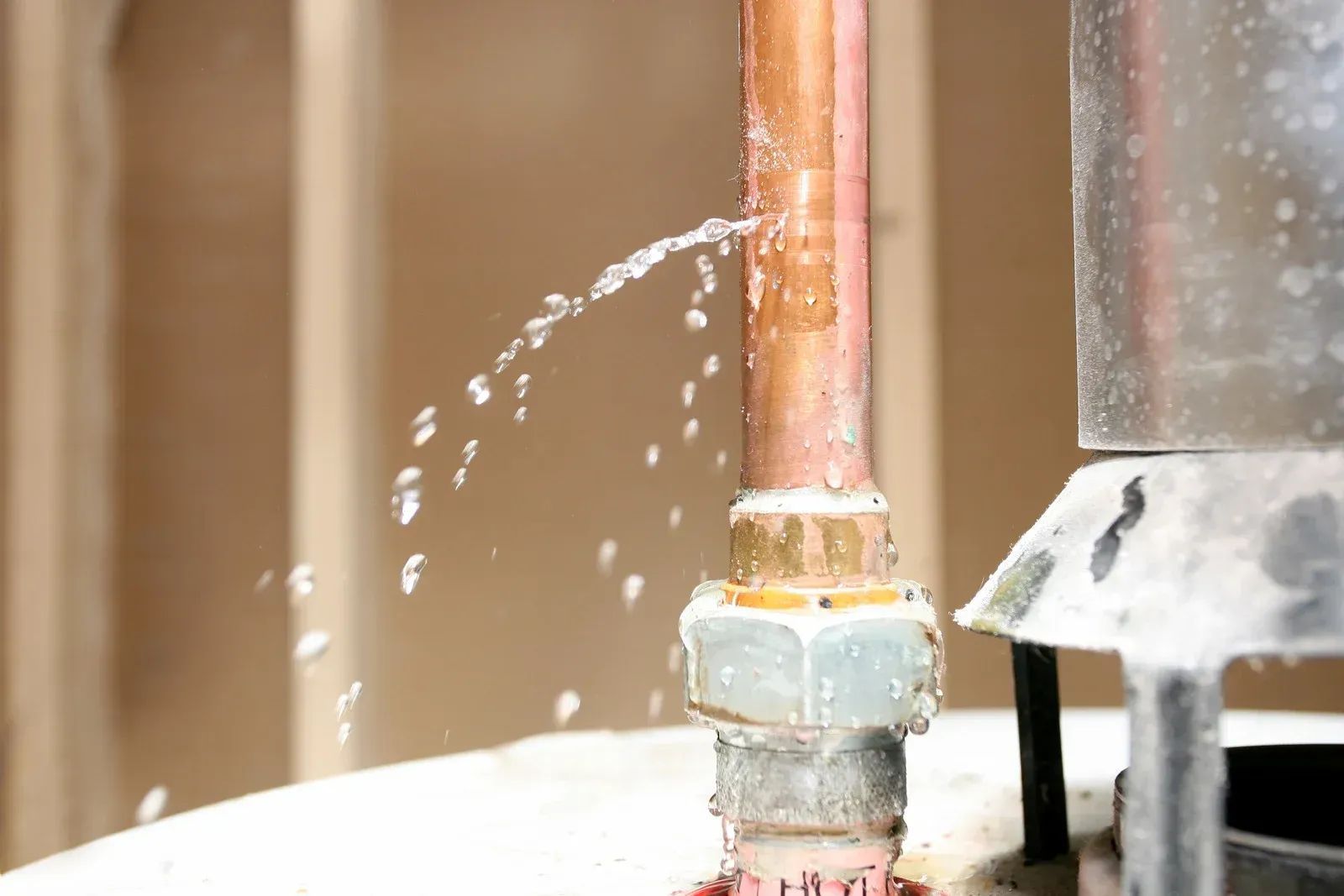
Leaks often develop in hard-to-see areas such as behind walls, under floors, or beneath sinks. Traditional detection methods, such as visually inspecting plumbing, are insufficient for catching slow, hidden leaks. Smart leak detection technology fills this gap, providing constant monitoring and real-time alerts. For instance, a sensor placed under a water heater can detect even minor drips before they flood your basement.
Common Sources of Household Leaks
Understanding where leaks are likely to occur can guide homeowners in implementing effective detection strategies. Common leak sources include:
- Pipes and plumbing joints: Corrosion, loose fittings, and age-related wear can cause leaks.
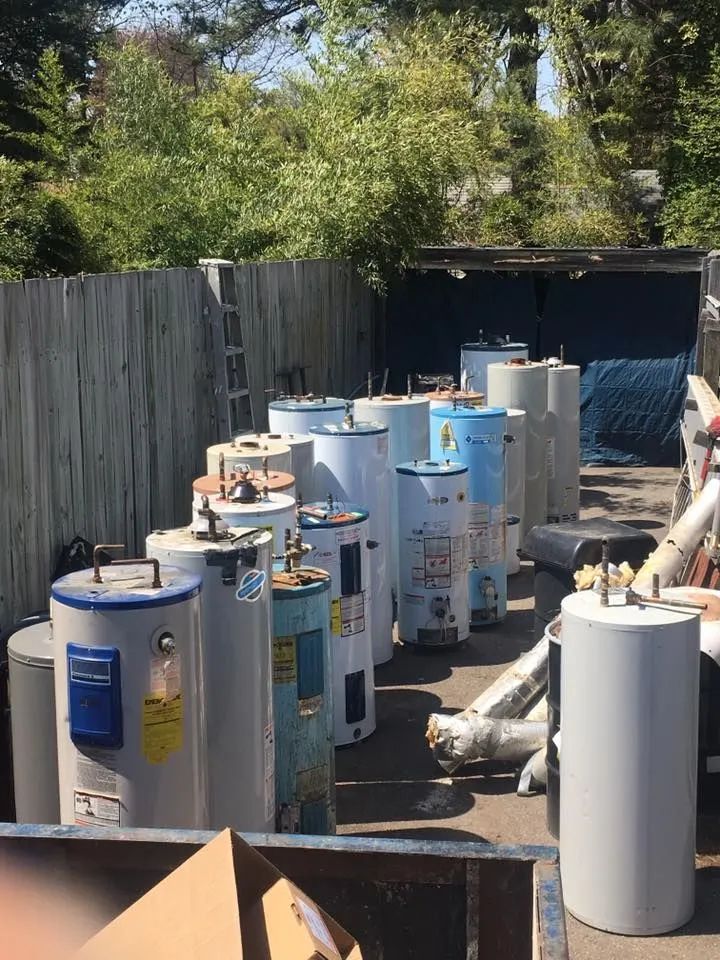
- Water heaters: Sediment buildup and corrosion can weaken the tank.
- Appliances: Dishwashers, washing machines, and refrigerators often develop leaks in hoses or valves.
- Fixtures: Faucets, toilets, and showerheads are prone to slow drips and leaks.
By identifying these risk points and installing smart detection devices accordingly, homeowners can significantly reduce the chances of catastrophic water damage while maintaining efficient water usage.
Smart Leak Detection Technologies
Types of Smart Leak Detectors
Modern leak detection systems vary in design and functionality, providing multiple options to fit different household needs. Popular types include:
- Point Sensors: These small devices are placed under sinks, near water heaters, or behind appliances. They detect water contact immediately and send alerts to your smartphone.
- Wi-Fi Enabled Monitors: Connected directly to your home network, these monitors track water flow and send real-time notifications for anomalies. Some models also integrate with smart home systems to automatically shut off the water supply when a leak is detected.
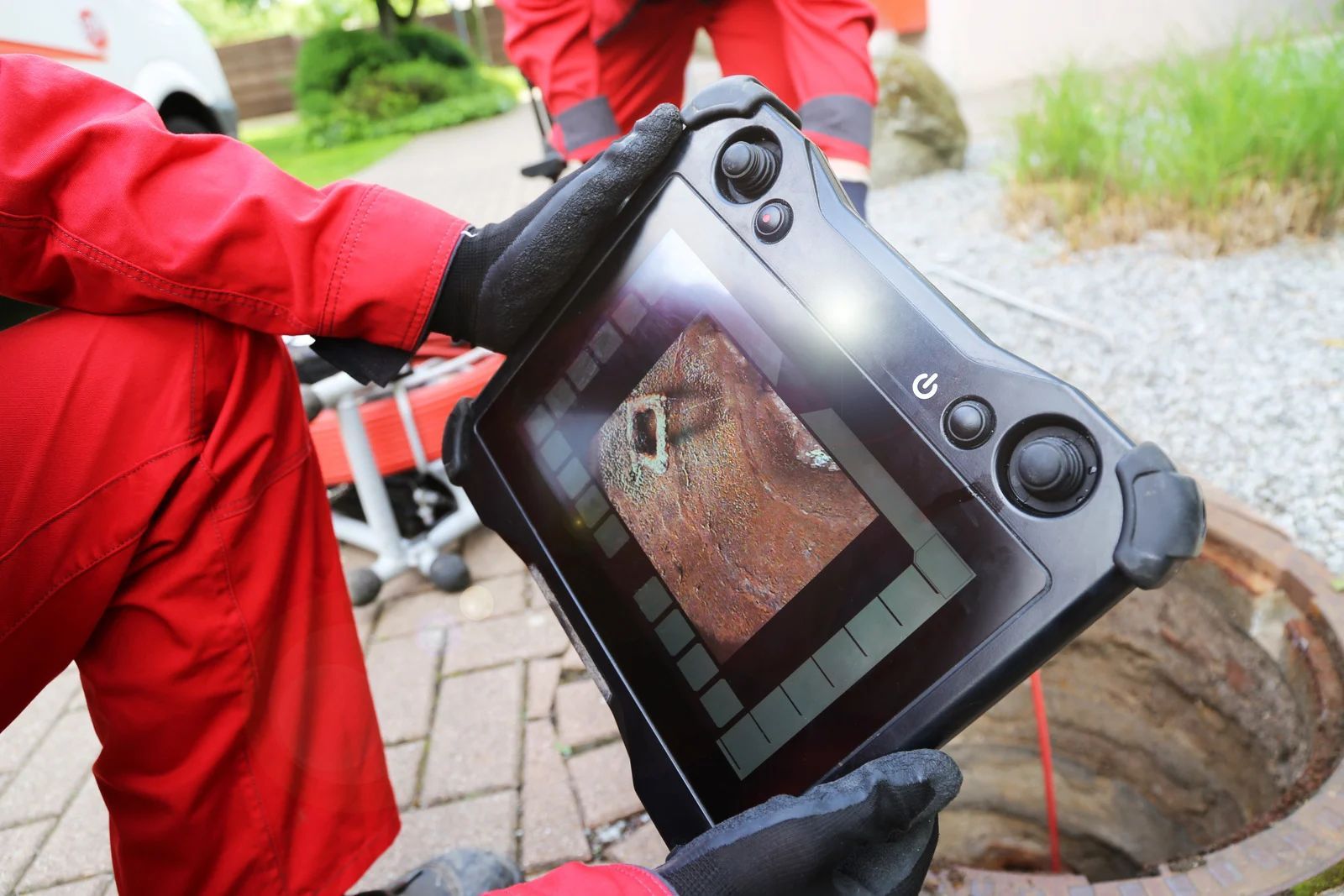
- Pipe Sensors: Installed along water lines, these sensors monitor pressure and flow, detecting leaks even when water isn’t visibly present.
Benefits of Smart Detection Systems
The advantages of smart leak detection systems extend beyond preventing water damage:
- Early Alerts: Receive immediate notifications about leaks, reducing the potential for extensive damage.
- Automated Water Shutoff: Some systems can automatically shut off the main water supply to prevent flooding.
- Water Usage Monitoring: Track consumption patterns to identify inefficiencies and reduce bills.
- Peace of Mind: Homeowners can monitor their property remotely, even when away, providing confidence that leaks won’t go unnoticed.
Real-World Example
Consider a family with a basement water heater prone to leaks. A smart sensor detects a minor drip overnight and sends an alert. The family shuts off the water supply immediately, preventing flooding and avoiding a costly repair bill. This scenario illustrates how early detection can mitigate risks and protect both property and finances.
Strategic Placement of Sensors
Where to Install Smart Leak Detectors
Proper placement of leak detection devices is critical for maximizing their effectiveness. Key installation points include:
- Near Water Heaters: Water heaters are a common source of leaks due to age and sediment buildup. Placing a sensor beneath the unit can detect early leaks.
- Under Sinks and Cabinets: These areas often conceal slow leaks from plumbing fixtures. Sensors here can prevent damage to cabinets and flooring.
- Behind Appliances: Dishwashers, washing machines, and refrigerators with ice makers are vulnerable to hose or valve leaks. Installing a detector nearby can catch problems early.
- Bathrooms and Toilets: Slow leaks from toilets can cause significant water damage. Sensors placed on the floor around toilets or under bathroom sinks can provide alerts.
Best Practices for Placement
- Monitor High-Risk Areas: Focus on areas with a history of leaks or older plumbing systems.
- Consider Accessibility: Ensure devices are easy to access for maintenance and battery replacement.
- Integrate with Smart Systems: If possible, connect sensors to a smart home hub for centralized monitoring and automated responses.
By strategically positioning sensors, homeowners can achieve comprehensive coverage, detecting leaks before they escalate into costly repairs or structural damage.
Maintenance and Monitoring
Regular Device Maintenance
Like any smart home device, leak detectors require regular maintenance to remain effective. Recommended practices include:
- Battery Checks: Replace batteries at least once a year or when low-battery alerts appear.
- Sensor Testing: Periodically test sensors with water to ensure proper function.
- Firmware Updates: Keep devices updated with the latest software for optimal performance.
Continuous Monitoring and Alerts
Effective leak detection relies on continuous monitoring. Most smart devices provide real-time notifications via smartphone apps, email, or home automation systems. Homeowners should:
- Respond Immediately to Alerts: Prompt action can prevent minor leaks from turning into major water damage.
- Set Up Multi-User Notifications: Ensure multiple household members receive alerts to avoid missed notifications.
- Track Water Usage Trends: Monitor consumption patterns to identify unusual spikes, which could indicate hidden leaks.
By maintaining sensors and actively monitoring alerts, homeowners can maximize the effectiveness of smart leak detection systems, ensuring early intervention and long-term protection.
Combining Smart Detection with Preventive Measures
Routine Plumbing Inspections
Smart devices are highly effective, but they work best alongside regular preventive maintenance. Schedule professional plumbing inspections to detect potential vulnerabilities in pipes, valves, and fixtures. This proactive approach can identify issues before they trigger leaks, complementing smart detection systems.
Water Shutoff Valves
Installing automatic water shutoff valves adds a layer of protection. These valves work in tandem with leak detectors, automatically stopping water flow when a leak is detected. This prevents flooding and minimizes property damage, particularly during vacations or extended periods away from home.
Insulating Pipes
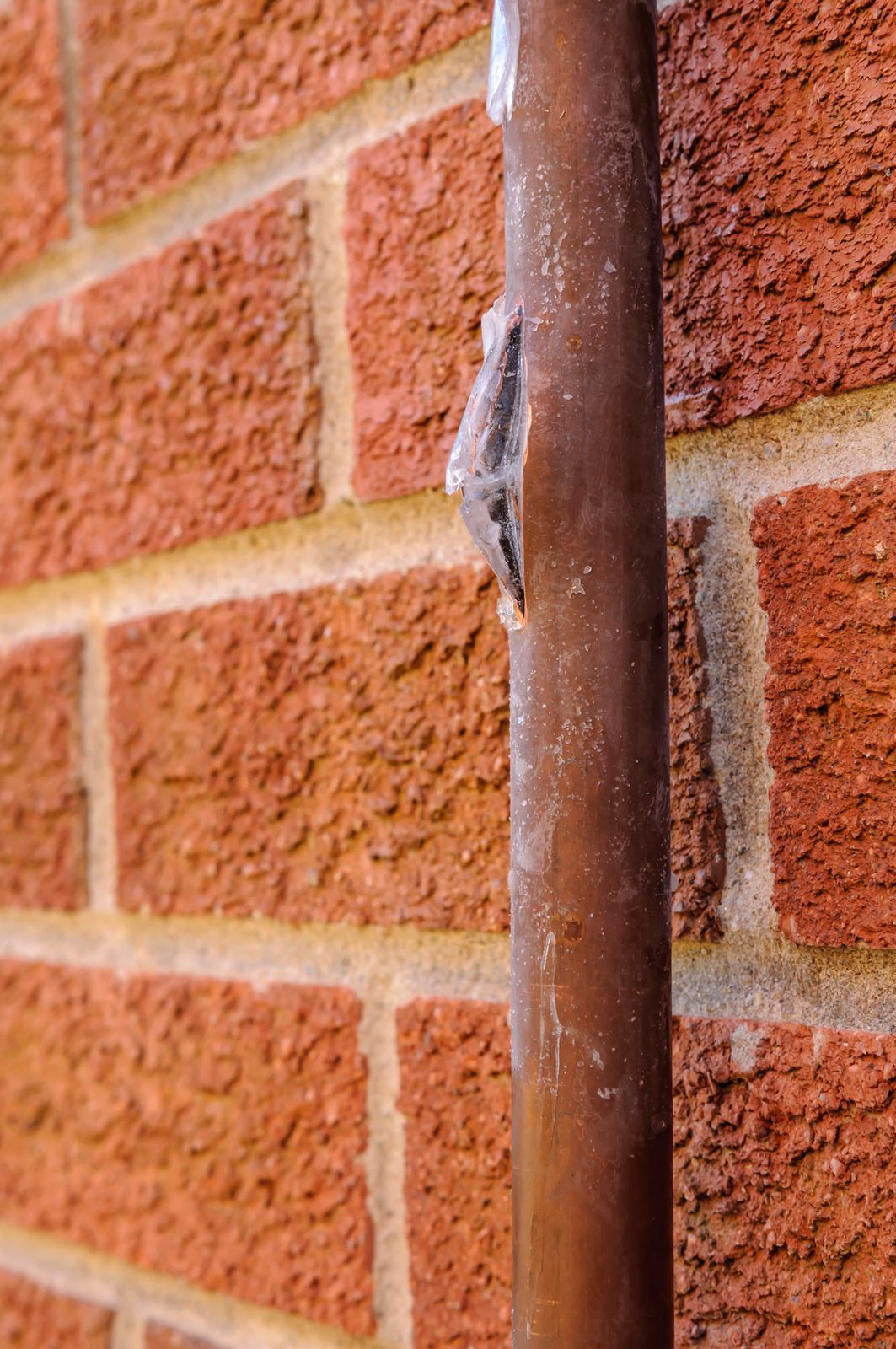
Frozen or burst pipes are major causes of water damage, especially in colder climates. Insulating pipes reduces the risk of rupture, further preventing leaks. Smart sensors can be combined with pipe insulation strategies for a comprehensive protective plan.
Educating Household Members
Awareness is crucial. Teaching family members to recognize early warning signs, such as unusual water meter readings or damp spots, can complement technology-based monitoring. Encourage quick reporting of any leaks or drips to ensure prompt intervention.
Benefits of Combined Approaches
Integrating smart leak detection with preventive maintenance offers multiple benefits:
- Reduced Repair Costs: Early intervention minimizes expensive structural and appliance repairs.
- Enhanced Home Safety: Preventing water accumulation reduces risks of mold, mildew, and slips.
- Sustainability: Detecting leaks early reduces water waste, promoting eco-friendly practices.
By combining smart technology with traditional preventive measures, homeowners can establish a multi-layered approach that safeguards their property and ensures peace of mind.
Challenges and Considerations
Potential Challenges
While smart leak detection systems offer numerous advantages, homeowners should be aware of potential challenges:
- Initial Cost: High-quality smart devices can be expensive, though they often offset repair costs in the long term.
- Network Dependency: Wi-Fi-enabled devices rely on stable internet connections; interruptions can affect monitoring.
- Maintenance Requirements: Regular testing, battery replacement, and software updates are necessary to ensure reliable performance.
Choosing the Right System
Selecting the appropriate system requires careful consideration:
- Home Size and Layout: Larger homes may require multiple sensors for adequate coverage.
- Integration with Smart Home Systems: Ensure compatibility with existing smart devices for seamless monitoring.
- Professional Installation: Some systems benefit from professional setup to ensure optimal sensor placement and functionality.
Expert Recommendations
Plumbing experts recommend starting with high-risk areas and gradually expanding coverage. Pairing smart detection with routine inspections and preventive measures offers the most reliable protection against water damage.
By understanding these challenges and taking informed steps, homeowners can implement an effective leak detection strategy that mitigates risk, optimizes system performance, and safeguards property.
Maximizing Home Protection with Modern Plumbing Solutions
Smart leak detection is no longer a luxury but a vital aspect of modern home maintenance. By implementing point sensors, Wi-Fi-enabled monitors, and pipe sensors, homeowners can detect leaks early, prevent extensive water damage, and maintain efficient water usage. Strategic placement, regular maintenance, and integration with preventive measures such as routine inspections, automatic shutoff valves, and pipe insulation enhance the effectiveness of these systems. Combining technology with proactive habits ensures that leaks are addressed promptly, protecting both property and finances.
For homeowners in Richmond, Virginia, seeking expert plumbing solutions, Keil Plumbing & Heating Inc.
stands as a trusted authority. With over 100
years of experience, Keil Plumbing & Heating Inc.
specializes in leak detection, water damage prevention, and comprehensive plumbing services. Their team of skilled professionals leverages industry knowledge, state-of-the-art tools, and a commitment to quality to safeguard homes from water-related issues. By choosing Keil Plumbing & Heating Inc., homeowners gain peace of mind knowing that their property is protected by a century-long legacy of expertise and dependable service.