
The Importance of Annual Furnace Maintenance for Energy Savings
April 22, 2026
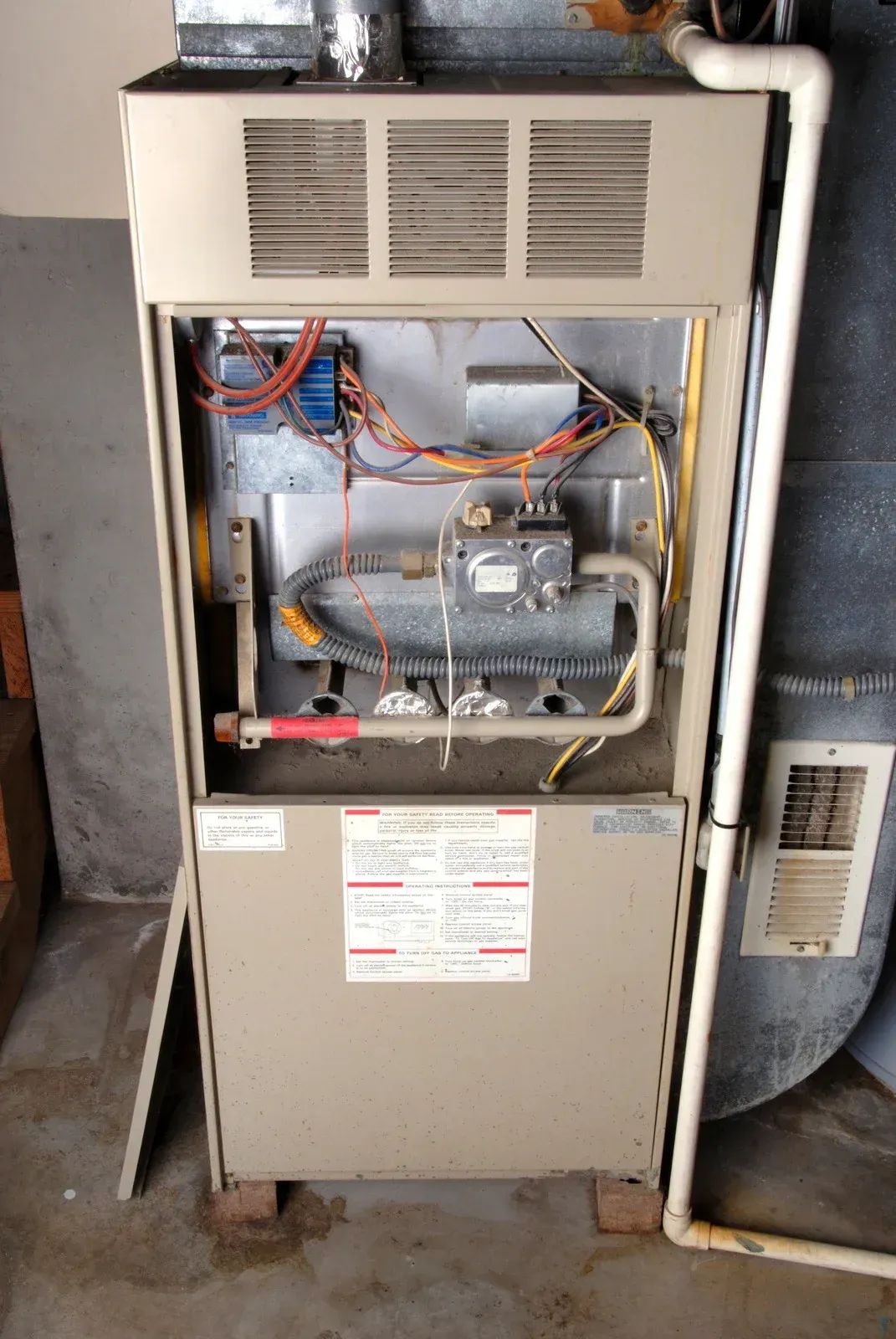
Annual furnace maintenance is often overlooked by homeowners until performance issues or rising utility bills become unavoidable. However, a well-maintained furnace plays a critical role in ensuring consistent indoor comfort while optimizing energy consumption throughout the heating season. As energy prices continue to fluctuate and environmental awareness grows, maintaining heating systems efficiently has become more relevant than ever in the HVAC industry.
Routine furnace servicing is not just about preventing breakdowns; it directly influences energy efficiency, system longevity, and overall household safety. A neglected furnace is forced to work harder to deliver the same level of heating, resulting in unnecessary energy waste and increased operational costs. On the other hand, a properly maintained system operates smoothly, uses less energy, and delivers more reliable performance even during peak winter conditions.
Understanding the importance of annual furnace maintenance helps homeowners make informed decisions that protect both comfort and budget. From improving airflow and heat exchange efficiency to detecting early signs of wear and tear, regular inspections create long-term value. This blog explores how preventive furnace care significantly reduces energy consumption, highlights essential maintenance practices, and explains why consistent servicing should be a priority for every property owner aiming for efficiency and reliability year after year.
1. Role of Furnace Maintenance in Energy Efficiency
Understanding Energy Loss in Heating Systems
Furnaces naturally lose efficiency over time due to dust buildup, worn components, and reduced airflow. When internal parts are not cleaned or calibrated regularly, the system requires more energy to produce the same heat output. This inefficiency directly increases monthly utility costs and places unnecessary strain on the equipment used throughout heating seasons in residential environments across varying weather conditions annually.
How Annual Servicing Restores Efficiency
Annual maintenance ensures that critical components such as burners, heat exchangers, and air filters function optimally. Clean and well-adjusted parts allow smoother operation, reducing energy waste. Proper calibration also ensures accurate thermostat response, preventing overheating or excessive cycling, which ultimately stabilizes performance and improves fuel utilization efficiency while extending equipment lifespan and maintaining consistent indoor comfort throughout seasonal demand changes reliably.
Real-World Impact on Energy Bills
A poorly maintained furnace may consume significantly more energy compared to a serviced one. Even minor inefficiencies, when accumulated over an entire heating season, can lead to noticeable financial losses. Regular servicing helps stabilize energy consumption and keeps operating costs predictable. This results in better budgeting and reduced seasonal financial stress for property owners managing heating expenses efficiently over time.
2. Key Components Checked During Furnace Maintenance
Air Filters and Airflow Systems
Air filters play a crucial role in maintaining airflow. When clogged, they restrict circulation and force the furnace to work harder. Regular replacement or cleaning ensures consistent airflow and improved efficiency. This supports better heat distribution and reduces unnecessary energy consumption during extended operational cycles across colder months in residential heating systems, ensuring consistent indoor comfort and system reliability overall continuously.
Burners and Ignition Systems
Burners must produce a clean, steady flame for optimal combustion. Dirty or misaligned burners reduce heat output and increase fuel consumption. Ignition systems are also inspected to ensure reliable startup and safe operation. This prevents energy waste and supports efficient fuel burning while maintaining consistent heating performance across all operating conditions within the system throughout seasonal usage demands and reliability improvement.
Heat Exchanger Inspection
The heat exchanger transfers heat safely into the home. Cracks or damage can reduce efficiency and pose safety risks. Inspection ensures proper heat transfer and prevents energy loss. This component is essential for maintaining efficient operation and avoiding unnecessary strain on heating systems that can lead to increased energy consumption and reduced equipment lifespan over extended periods of use, overall efficiency.
Blower Motor and Electrical Connections
The blower motor distributes warm air throughout the home. If it becomes dirty or worn, airflow weakens, increasing energy demand. Electrical connections are checked for safety and performance stability. Proper functioning ensures balanced airflow and reduces unnecessary system strain while improving overall heating efficiency during continuous operation cycles, leading to consistent comfort and reduced energy consumption across usage periods long term.
3. How Maintenance Directly Reduces Energy Consumption
Improved Combustion Efficiency
Clean burners and proper fuel-to-air ratios ensure complete combustion. This reduces wasted fuel and maximizes heat output per unit of energy consumed. Efficient combustion directly translates into lower operational costs and improved system performance, helping maintain stable indoor temperatures without excessive energy usage during heating cycles, which benefits long-term energy efficiency and equipment durability overall for residential heating systems consistently improved.
Reduced System Strain and Cycling
A maintained furnace does not need to cycle frequently to maintain temperature. Reduced cycling lowers energy usage and extends system lifespan. This balanced operation prevents overheating and minimizes wear on mechanical components, ensuring smoother performance and reducing unnecessary energy consumption during repeated startup phases, resulting in improved efficiency and cost savings over time for consistent heating performance reliability across seasons annually.
Optimized Thermostat Performance
Accurate thermostat calibration ensures that the furnace operates only when needed. This prevents unnecessary heating and reduces energy waste during mild temperature fluctuations. Proper calibration enhances system responsiveness, allowing more precise control over indoor climate while minimizing energy consumption and avoiding excessive runtime that increases operational costs, leading to improved efficiency and comfort balance throughout heating season usage and energy savings consistently.
4. Common Furnace Issues That Increase Energy Bills
Dirty or Clogged Filters
Blocked filters restrict airflow, forcing the furnace to consume more energy to maintain temperature levels. This is one of the most common causes of inefficiency. Restricted airflow increases system workload, reduces heating performance, and leads to higher utility costs due to prolonged operational cycles and unnecessary energy expenditure, affecting overall system efficiency and comfort levels significantly over time.
Worn Mechanical Components
Parts such as belts, bearings, and motors wear out over time. These issues reduce operational efficiency and increase power consumption. Worn components create friction and mechanical resistance, forcing the furnace to work harder and consume more energy while decreasing overall system reliability and increasing maintenance requirements, leading to higher operational costs and reduced efficiency over extended use periods in heating systems.
Poor System Calibration
Incorrect thermostat settings or uncalibrated controls can cause overheating or short cycling, both of which waste energy. Improper calibration disrupts temperature regulation, leading to inconsistent heating performance and increased strain on furnace components while raising overall energy consumption significantly. This results in higher energy bills and reduced system lifespan when left unaddressed over time, affecting efficiency and comfort levels overall.
Air Leaks in Ductwork
Leaky ducts allow heated air to escape before reaching living spaces. This results in longer run times and higher energy usage. Air leakage reduces heating efficiency and forces the furnace to operate longer, increasing energy consumption and contributing to uneven temperature distribution throughout the home, which negatively impacts comfort and overall system performance efficiency significantly over extended usage periods continuously observed.
5. Best Practices for Annual Furnace Maintenance
Scheduling Preventive Maintenance Early
Scheduling maintenance before peak winter usage ensures the furnace operates efficiently when demand is highest. Early inspections also help identify potential issues before they escalate. This proactive approach minimizes unexpected breakdowns, reduces repair costs, and ensures consistent energy-efficient performance throughout the heating season under varying temperature conditions, supporting long-term system reliability and efficiency for residential heating systems consistently over time.
Regular Filter Replacement
Replacing filters every one to three months, depending on usage, ensures consistent airflow and reduces strain on the system. Clean filters improve air quality, enhance system efficiency, and prevent unnecessary energy consumption caused by restricted airflow and overworking furnace components during operation. This supports better performance and efficiency throughout usage cycles, improving system reliability and energy savings consistently observed.
Monitoring Energy Consumption Patterns
Tracking monthly energy bills helps identify unusual spikes in usage, often signaling furnace inefficiencies that require attention. Monitoring consumption trends allows early detection of performance issues, enabling timely maintenance actions that prevent excessive energy loss and ensure optimal furnace operation throughout seasonal changes, leading to improved efficiency and cost control for better system performance management over time usage cycles consistently observed.
Ensuring Proper Ventilation
Clear vents and unobstructed air returns allow efficient airflow and reduce system workload. Proper ventilation ensures balanced air circulation throughout the home, preventing strain on the furnace and improving heating efficiency while reducing unnecessary energy consumption caused by restricted airflow pathways, resulting in improved comfort and system reliability over extended operational periods for energy savings, efficiency, and performance stability long term.
Professional Inspection and Servicing
While basic maintenance can be performed by homeowners, professional servicing ensures a deeper inspection of internal components, safety systems, and combustion efficiency. Expert servicing identifies hidden issues, optimizes system performance, and ensures safe, energy-efficient operation by thoroughly examining all furnace components and correcting inefficiencies before they lead to higher energy consumption, ensuring long-term reliability and efficiency for heating systems' performance consistency.
Reliable Keil Plumbing Heating Inc Furnace Maintenance Professionals
Annual furnace maintenance plays a vital role in improving energy efficiency, reducing operational costs, and ensuring consistent heating performance. Regular servicing helps prevent system strain, enhances airflow, and maintains safe combustion, all of which contribute to lower energy consumption and longer equipment life.
At Keil Plumbing & Heating Inc., we bring over 100
years of combined expertise in Plumbing, Heating, Cooling & Remodeling Service in Richmond, Virginia. We focus on delivering dependable heating solutions that enhance comfort and efficiency. Our approach emphasizes precision maintenance, energy-conscious solutions, and long-term system reliability. With deep industry experience, we ensure heating systems operate at peak performance, helping homeowners achieve consistent savings and dependable indoor comfort throughout every season.