
When to Replace Your Furnace: Key Warning Signs to Watch For
March 26, 2026
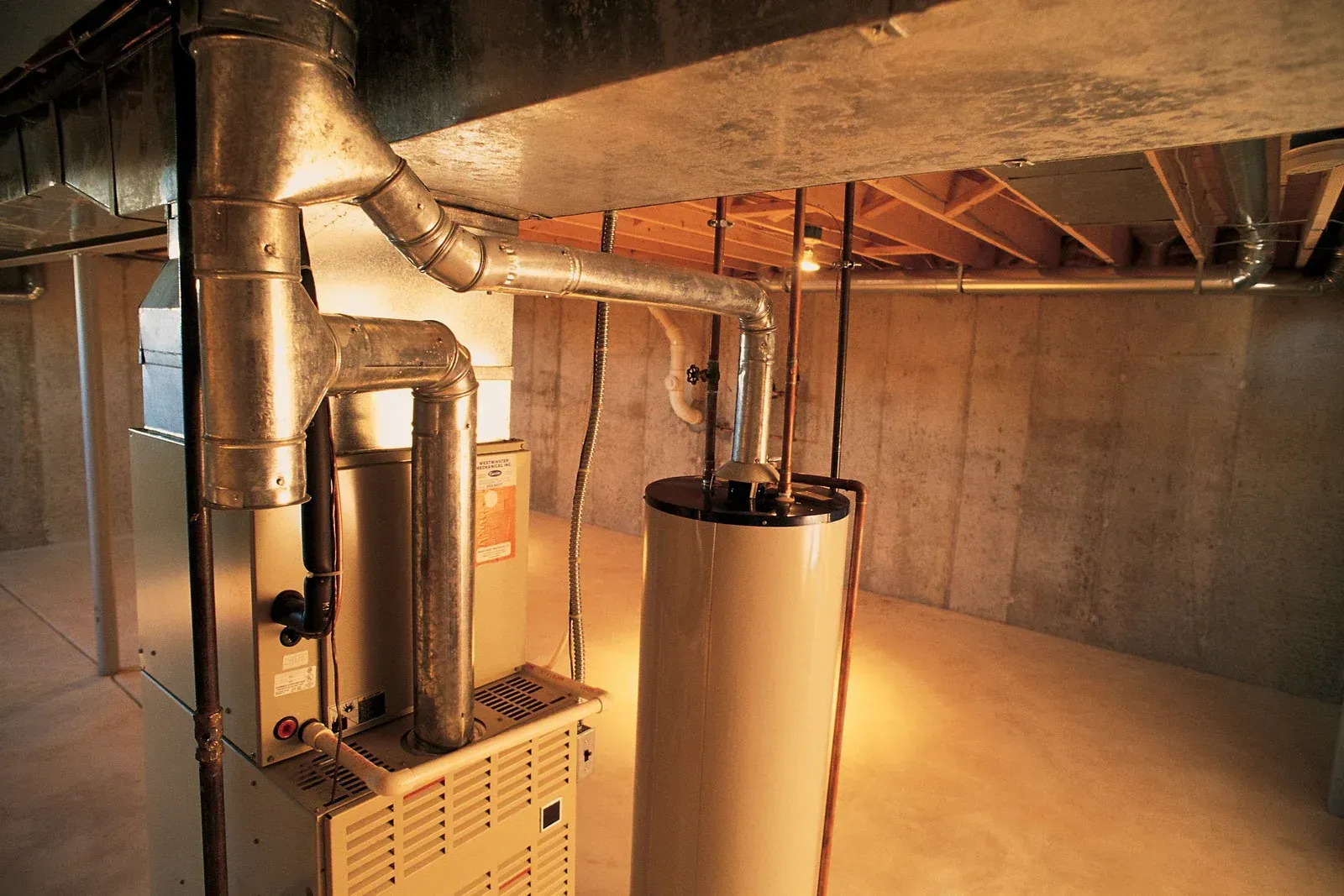
A furnace is one of the most critical components of a comfortable and safe home, especially in regions that experience harsh winters. Many homeowners take their heating systems for granted, assuming that routine maintenance alone will keep them running indefinitely. However, like any mechanical system, furnaces have a finite lifespan, and recognizing the signs of aging or malfunction is essential to avoid sudden breakdowns, higher energy bills, and potential safety hazards. Knowing when to replace your furnace can save homeowners time, money, and stress, ensuring reliable heating throughout the cold months. Beyond comfort, a well-functioning furnace contributes to indoor air quality, consistent home humidity levels, and the overall efficiency of other heating-related appliances. Proactive replacement planning also allows homeowners to explore energy-efficient models, which can significantly reduce long-term utility costs.
Ignoring warning signs can have costly consequences. A malfunctioning furnace can lead to uneven heating, higher utility costs, and in extreme cases, dangerous situations such as carbon monoxide leaks. By understanding the key indicators that a furnace is nearing the end of its service life, homeowners can make informed decisions about repair or replacement. This guide will provide actionable insights into the warning signs to watch for, helping you maintain a safe, energy-efficient, and comfortable home environment. Recognizing these signs early allows you to plan for a replacement strategically, avoiding emergency situations and maximizing the value of your investment in home comfort. Additionally, addressing furnace issues promptly prevents stress during peak winter months, reduces unexpected repair expenses, and enhances overall home safety for families and pets alike.
1. Age of the Furnace: Understanding Its Lifespan
Typical Furnace Lifespan
Most traditional gas furnaces have a lifespan of 15 to 20 years, while electric models can last slightly longer. Beyond this range, efficiency tends to decline, and components may fail more frequently. As furnaces age, wear and tear on critical parts like heat exchangers, burners, and motors become inevitable. While routine maintenance can extend a furnace’s life, age remains a primary factor in deciding whether replacement is more cost-effective than ongoing repairs.
Signs Age Is Affecting Performance
Older furnaces often struggle to heat the home evenly, take longer to reach desired temperatures, or cycle on and off more frequently. If your furnace requires frequent repairs or replacement parts, it may indicate that the system is approaching the end of its functional life. Continuing to repair an aging furnace can be costly over time and may not restore its original efficiency or safety standards. Planning a replacement proactively ensures that you maintain reliable heating without unexpected disruptions.
Real-World Example
A homeowner with a 17-year-old furnace notices their heating bills rising despite routine servicing. The system requires multiple repairs in a single season, prompting the decision to replace the furnace with a modern, energy-efficient model. This proactive approach prevents emergency breakdowns during peak winter months and provides long-term savings on energy costs.
2. Rising Energy Bills: Inefficiency at Work
Understanding Efficiency Loss
As furnaces age, their efficiency diminishes due to clogged filters, worn-out burners, or deteriorating heat exchangers. Even well-maintained systems eventually lose the ability to operate at peak efficiency. A furnace that struggles to heat your home effectively consumes more energy, driving up utility bills. Monitoring energy consumption over time can reveal patterns that indicate inefficiency and the need for replacement.
Indicators of Energy Inefficiency
- Noticeable increases in monthly heating costs without changes in usage patterns.
- Rooms with uneven temperatures despite thermostat adjustments.
- Frequent cycling on and off, signaling that the furnace is overworking to maintain desired temperatures.
Benefits of Upgrading
Replacing an inefficient furnace with a high-efficiency model can significantly reduce energy costs. Modern furnaces often include features such as variable-speed blowers, improved heat exchangers, and advanced thermostats that enhance performance while reducing energy consumption. In addition to financial savings, an efficient system provides consistent comfort and environmental benefits by reducing your household’s carbon footprint.
3. Frequent Repairs: When Maintenance Isn’t Enough
Assessing Repair Costs
While regular maintenance can extend a furnace’s lifespan, constant breakdowns are a clear warning sign. If your furnace requires repairs more than once or twice per year, the cumulative cost of parts and labor may exceed the investment needed for a new system. Evaluating the return on repair investment versus replacement helps homeowners make financially sound decisions.
Common Repairs in Aging Furnaces
- Ignition or pilot light issues
- Blower motor or fan problems
- Faulty thermostats
- Cracked heat exchangers
Expert Insight
HVAC professionals often recommend replacement when repair costs reach 50% or more of the price of a new furnace. Continuing to repair a system on its last legs can lead to recurring issues and ultimately fails to restore the comfort and reliability that homeowners expect.
4. Unusual Noises and Odors: Warning Signals
Identifying Strange Sounds
A properly functioning furnace operates quietly. Rattling, banging, or squealing noises may indicate loose or failing components, airflow issues, or worn-out motors. Ignoring these sounds can lead to complete system failure or create safety hazards.
Recognizing Uncommon Smells
Strange odors, such as burning or metallic smells, should never be ignored. A persistent burning odor could signal overheating or electrical issues, while a gas smell may indicate a leak, which is an immediate safety concern. Both situations may necessitate furnace replacement or emergency servicing.
Safety First
Noisy or smelly furnaces not only disrupt comfort but can pose risks to residents’ health. Early recognition and professional evaluation prevent potential hazards, ensuring that your home heating system operates safely and reliably.
5. Uneven Heating and Poor Airflow: Comfort Compromised
Spotty Heating
When certain rooms in your home remain colder than others despite thermostat adjustments, it may indicate that the furnace cannot distribute heat efficiently. Blocked ducts, a failing blower, or a furnace on the brink of failure can all contribute to uneven heating.
Reduced Airflow
Weak airflow can be caused by clogged filters, leaky ducts, or deteriorating furnace components. If airflow remains poor despite routine maintenance, it may be time to consider replacing the furnace. Modern systems provide improved airflow and consistent heating, creating a more comfortable home environment.
Real-Life Scenario
A family notices that upstairs bedrooms remain chilly while the living area reaches desired temperatures. After inspection, it is determined that the furnace is over a decade old and cannot meet the heating demands efficiently. Installing a new, high-capacity furnace restores balanced heating and enhances overall comfort.
6. Safety Concerns: Carbon Monoxide and Fire Hazards
Carbon Monoxide Risks
A cracked or damaged heat exchanger can release carbon monoxide, a colorless, odorless, and potentially lethal gas. Older furnaces are more prone to this issue, especially if maintenance has been inconsistent. Regular inspections can detect early signs of trouble, but replacement may be the safest long-term solution.
Fire Hazards
Furnaces with worn electrical components, overheating burners, or accumulated dust and debris pose fire risks. Ignoring these warning signs increases the likelihood of hazardous events. Modern furnaces are designed with enhanced safety mechanisms to minimize fire risks and maintain reliable operation.
Best Practices
Install carbon monoxide detectors and schedule annual professional inspections. If your furnace shows any signs of structural damage, unusual emissions, or compromised safety features, replacement should be prioritized to protect your family and property.
7. Technological Advancements: Incentive to Upgrade
Benefits of Modern Furnaces
Advancements in furnace technology provide significant advantages over older systems. Features like programmable thermostats, variable-speed blowers, high-efficiency heat exchangers, and smart home integration improve comfort, efficiency, and convenience.
Energy Rebates and Incentives
Many homeowners can take advantage of local energy rebates or tax credits when replacing outdated furnaces with high-efficiency models. These incentives reduce upfront costs and enhance long-term savings.
Future-Proofing Your Home
Investing in a modern furnace not only addresses current heating needs but also prepares your home for future energy efficiency standards. Upgrading proactively ensures you benefit from technological improvements, improved safety, and reduced environmental impact.
Reliable Furnace Solutions from Keil Plumbing Experts
Recognizing when to replace your furnace is crucial for maintaining home comfort, safety, and efficiency. Key indicators include advanced age, rising energy bills, frequent repairs, unusual noises and odors, uneven heating, poor airflow, and potential safety hazards like carbon monoxide leaks or fire risks. Paying attention to these signs allows homeowners to make informed decisions, preventing unexpected breakdowns during peak heating seasons and avoiding costly emergency repairs. Early action not only ensures uninterrupted comfort during cold months but also maximizes energy efficiency and extends the lifespan of your home’s heating system. Being proactive can also help homeowners plan financially and take advantage of modern furnace technologies that offer long-term savings.
For homeowners in Richmond, Virginia, seeking reliable guidance on furnace replacement, Keil Plumbing & Heating Inc.
stands as a trusted authority. With over 100
years of combined experience in plumbing, heating, cooling, and remodeling services, the company has built a reputation for delivering high-quality, dependable solutions tailored to every home. From expert inspections to professional installations and ongoing maintenance, Keil Plumbing & Heating Inc.
ensures that your heating system operates safely, efficiently, and reliably. Trust their seasoned team to provide guidance, support, and service excellence, helping homeowners make confident, informed decisions about furnace replacement and long-term home comfort. Their commitment to customer satisfaction, combined with unmatched technical expertise, guarantees peace of mind for every client, making them the go-to choice for heating solutions in the Richmond area.